
Online Gaming and Personal Play Preferences

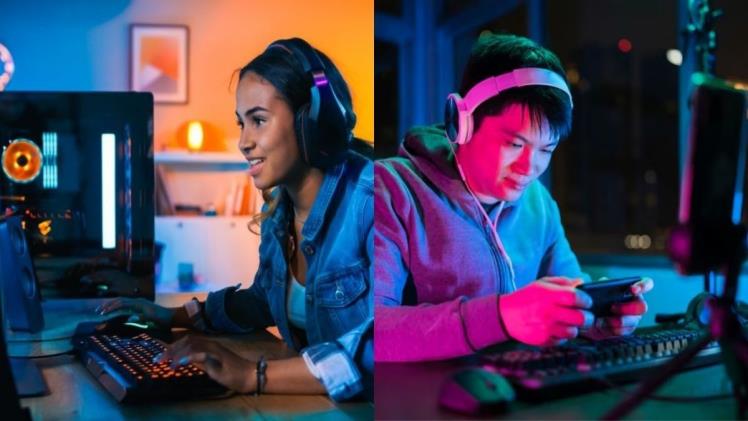
Online gaming has become a flexible form of digital entertainment, giving players more control over how, when, and what they play. Platforms such as agb99 reflect the broader shift toward accessible gaming environments where users can explore different options according to their individual interests. Rather than following a single universal gaming style, modern players increasingly seek experiences that align with their schedules, preferences, and expectations.
The Rise of Personalized Online Gaming
One of the biggest changes in online gaming is the growing importance of personalization. In the past, players often had limited choices because gaming was connected to specific devices, locations, or physical venues. Today, digital platforms provide a much broader range of experiences, allowing users to choose games based on their preferred pace, format, and level of interaction.
Personal preferences can vary considerably. Some players enjoy short sessions that fit conveniently into a busy day, while others prefer longer periods of exploration. Some are attracted to visually rich games, whereas others prefer simple interfaces and straightforward gameplay. This variety has made personalization an important part of the modern gaming experience.
Why Choice Matters to Players
Choice is central to how people interact with online gaming platforms. When players have access to different categories and formats, they can select experiences that align with their interests rather than being restricted to a single option.
Game variety can also encourage exploration. A player who normally prefers one type of game may discover another format that offers a different style of entertainment. Having multiple possibilities creates a more flexible environment where users can adjust their choices over time.
This freedom is particularly relevant to casual players. They may not want to commit to complicated systems or lengthy sessions. Instead, they often appreciate platforms that make it easy to browse options and find something suitable without unnecessary complexity.
The Importance of a Smooth User Experience
Personal play preferences are influenced by more than game selection. The overall user experience can significantly affect how comfortable players feel when navigating an online platform.
A clear layout, responsive pages, readable menus, and logical organization can make it easier to discover available options. When important information is presented clearly, users spend less time learning the platform and more time focusing on their chosen entertainment.
Mobile accessibility has also become increasingly important. Many people use smartphones as their primary way of accessing digital services. A responsive gaming environment allows users to move between devices while maintaining a consistent experience.
Different Players, Different Habits
There is no single definition of the ideal online gaming session. Lifestyle, interests, available time, and personal expectations shape individual habits.
Some users may prefer spontaneous sessions during short breaks. Others may plan gaming as part of their regular leisure routine. Younger digital audiences may be comfortable exploring new formats quickly, while more experienced players might prioritize familiar interfaces and established gameplay styles.
Understanding these differences helps explain why gaming platforms continue to expand their selection of experiences. The goal is not simply to provide more games, but to offer meaningful variety that can accommodate different user preferences.
Technology and Personalization
Technology continues to influence how online gaming experiences are designed. Faster internet connections, improved mobile devices, and better interface design have made digital gaming more convenient than ever.
Modern platforms can also organize content in ways that make discovery easier. Categories, search functions, filters, and clear navigation can help users identify options that match their interests. These features reduce friction and allow players to spend more time engaging with content they enjoy.
As technology continues to develop, personalization is likely to become even more important. Players increasingly expect digital services to be intuitive, responsive, and adaptable to different habits.
Responsible Approaches to Online Gaming
Personal preferences should always be balanced with responsible gaming habits. Setting reasonable time limits, understanding platform rules, and keeping entertainment within a comfortable budget can help create a healthier digital routine.
Players should also recognize that gaming should remain a leisure activity rather than interfere with work, education, relationships, or everyday responsibilities. Taking regular breaks and maintaining awareness of spending are simple ways to encourage a balanced approach.
Responsible participation is especially important on platforms that involve real-money activities. Users should understand the applicable laws and regulations in their location and only participate where such activities are legally permitted.
The Future of Personal Play Preferences
The future of online gaming will likely continue moving toward greater flexibility. As players become more familiar with digital entertainment, expectations surrounding convenience, variety, accessibility, and personalization will continue to evolve.
Developers and platforms that understand these changing expectations can create experiences that appeal to a wider audience. At the same time, players will continue to have different reasons for gaming and different ideas about what makes an experience enjoyable.
Conclusion
Online gaming is no longer defined by a single type of player or a fixed style of entertainment. Personal preferences now play a major role in determining how people discover and enjoy digital games. From game variety and mobile accessibility to smooth navigation and responsible habits, several factors shape the modern experience. As technology continues to advance, giving players meaningful choice and flexible ways to engage will remain an important part of the evolving online gaming landscape.